Compare Canned Coconut Milk Ingredient Labels
A practical step-by-step guide to compare canned coconut milk ingredient labels, including preparation, instructions, common issues, tips, and next steps.
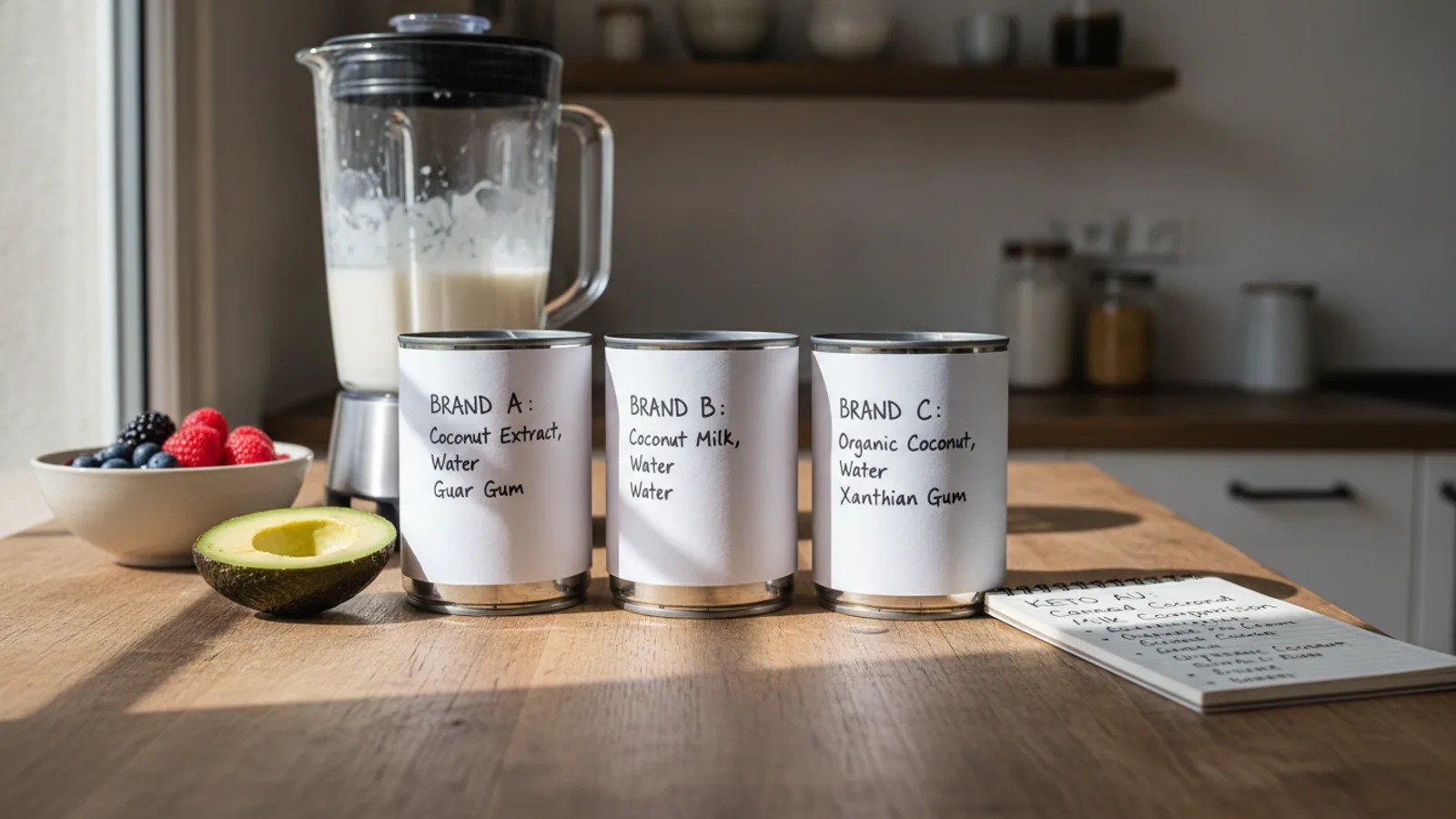
Compare Canned Coconut Milk Ingredient Labels
Learning to read canned coconut milk labels helps you choose the right texture and avoid unwanted additives for your recipe. This guide shows you how to compare ingredient lists, understand fat content, and spot thickeners or stabilizers so you can buy with confidence.
Fast Answer
- Check the ingredient list first: the best cans often contain only coconut and water, with no thickeners or stabilizers.
- Shake the can before opening to hear if the contents are solid or liquid, which hints at fat content and texture.
Before You Start
- Gather two or three cans you are considering so you can compare them side by side on the spot.
- Find a well-lit area and a flat surface where you can read small print on labels without glare.
- Bring a magnifying glass or use your phone camera zoom if the ingredient text is tiny.
- Have a notepad or notes app ready to record differences in ingredients, fat content, and country of origin.
Step-by-Step Instructions
Examine the ingredient list first
Start by locating the ingredient list, usually on the back or side of the can. Read it from top to bottom; ingredients are listed by weight, so the first few items matter most. For pure coconut milk, you should see coconut and water, and sometimes a natural thickener like guar gum. If you see long chemical names or added sugars, decide if those fit your recipe. This check matters because additives can change how the milk behaves when heated or chilled, and they may add flavors you do not want. Write down the first three ingredients for each can so you can compare them later. Taking this step first saves time because it quickly narrows your choices before you look at other details.
Compare fat content and texture clues
Next, look at the nutrition facts panel for total fat and saturated fat per serving. Higher fat usually means a thicker, creamier product that separates in the can. Also check the label for words like 'full fat', 'lite', or 'light', which indicate fat level. Shake the can gently: if you hear liquid sloshing, it may be lower fat or contain more water. This check is important because fat content affects how the coconut milk performs in cooking, from curries to desserts. For example, a high-fat milk will create a richer sauce, while a lower-fat one may be thinner. Record the fat grams per serving for each can so you can match the product to your recipe's needs.
Spot thickeners, stabilizers, and additives
Scan the ingredient list for thickeners like guar gum, xanthan gum, or carrageenan, and stabilizers like polysorbate 80. These additives are common in lower-fat or 'light' coconut milks to improve texture. They are generally safe, but some people prefer to avoid them. Also look for preservatives such as sulfites, which can cause reactions in sensitive individuals. This check matters because additives can affect the taste and how the milk cooks; for instance, carrageenan may prevent separation but can make the texture gummy. If you want a pure product, choose cans with the shortest ingredient list. Note any additives you see so you can decide which ones are acceptable for your diet.
Check for added sugars and sweeteners
Look for added sugars, which may appear as sugar, cane sugar, or syrup in the ingredient list. Sweetened coconut milk is often used for desserts and drinks, but it can be too sweet for savory dishes. Also check the nutrition facts for 'added sugars' if that line is present. This check is crucial because added sugars can change the flavor balance of your recipe and add unnecessary calories. If you are cooking a curry or soup, unsweetened coconut milk is usually the better choice. Compare the grams of added sugars per serving across cans, and note whether the product is meant for sweet or savory use. This step helps you avoid surprises when you taste the final dish.
Look at the source and processing details
Check the label for information about where the coconuts were grown and how the milk was processed. Terms like 'cold-pressed' or 'expeller-pressed' indicate a method that may preserve flavor. Also note if the can is lined with BPA-free material, which some people prefer. This check matters because processing can affect taste and quality, and some consumers have preferences about sourcing. While you cannot verify all claims, the label often provides clues about the product's style. Compare these details across cans to see which aligns with your values. Keep in mind that regulations vary by region, so check your local guidelines if you need specific information.
Make your final choice and test at home
After comparing ingredients, fat content, additives, sugars, and sourcing, choose the can that best fits your recipe. At home, open the can and observe the texture: does it separate into thick cream and watery liquid? That is normal for full-fat coconut milk. Taste a small amount to see if the flavor is clean and coconutty. This final check is important because labels can only tell you so much; your senses confirm whether the product meets your expectations. If you are unhappy, note the brand and details so you can avoid it next time. Repeat this process with other cans to build your own reference list of favorites for different uses.
Quick Reference
| Situation | Action | Why it helps |
|---|---|---|
| You need a thick, creamy coconut milk for a rich curry. | Choose a can labeled 'full fat' or with the highest fat content per serving, and check that the ingredient list has no added water or thickeners. | Full-fat coconut milk has more coconut cream, which gives a richer texture and flavor that stands up to spices. |
| You want to avoid additives like gums or preservatives. | Select a can whose ingredient list contains only coconut and water, and scan for any unfamiliar terms that might be additives. | A short ingredient list reduces the chance of unwanted additives that can affect taste or cause sensitivities. |
| You are making a dessert and need a sweetened coconut milk. | Look for cans that list sugar or a sweetener in the ingredients, and compare the grams of added sugars per serving. | Sweetened coconut milk saves you from adding sugar separately and ensures consistent sweetness in your recipe. |
Common Issues
- The can lists 'coconut milk' but also contains several additives.: Decide if those additives are acceptable for your diet; if not, look for another can with a shorter ingredient list, such as one that only lists coconut and water.
- You cannot tell if the coconut milk is sweetened or unsweetened from the front label.: Turn the can around and read the ingredient list and nutrition facts; added sugars will appear in the ingredients and on the added sugars line if present.
- The fat content varies widely between cans and you are unsure which to pick.: Match the fat level to your recipe: higher fat for creamy sauces and desserts, lower fat for lighter soups or drinks where you want less richness.
Advanced Tips
- Look for 'certified organic' on the label if you prefer coconuts grown without synthetic pesticides.
- Check the can's lining: some are labeled BPA-free, which may matter if you are concerned about certain chemicals.
- Store unopened cans in a cool, dark place and check the expiration date to ensure freshness.
Final Checklist
- Ingredient list read and first three ingredients noted for each can.
- Fat content per serving compared across all cans.
- Additives like gums or preservatives identified and evaluated.
- Added sugars checked and noted on the nutrition facts panel.
FAQ
What does 'lite' coconut milk mean?
'Lite' or 'light' coconut milk usually has less fat than full-fat versions, often because water is added or the fat is reduced. Check the nutrition facts for total fat per serving and read the ingredient list to see if thickeners were added to improve texture.
Is it safe to eat coconut milk with additives like guar gum?
Guar gum and similar additives are generally recognized as safe for most people, but some individuals may experience digestive discomfort. If you prefer to avoid them, choose cans with only coconut and water. Always consult a healthcare provider if you have specific health concerns.
How can I tell if a can of coconut milk is good quality?
Good quality coconut milk often has a short ingredient list, higher fat content, and no added sugars or artificial additives. When you open it, it should smell fresh and coconutty, and the texture should be smooth after stirring. Trust your senses as the final check.