Plan Three Dinners Around One Roast Chicken
A practical step-by-step guide to plan three dinners around one roast chicken, including preparation, instructions, common issues, tips, and next steps.
Plan Three Dinners Around One Roast Chicken
A practical guide to planning three different dinners from one roast chicken. It covers shopping, portioning, safe storage, and step-by-step recipes for night one, night two, and night three, so you can cook once and eat well multiple times.
Fast Answer
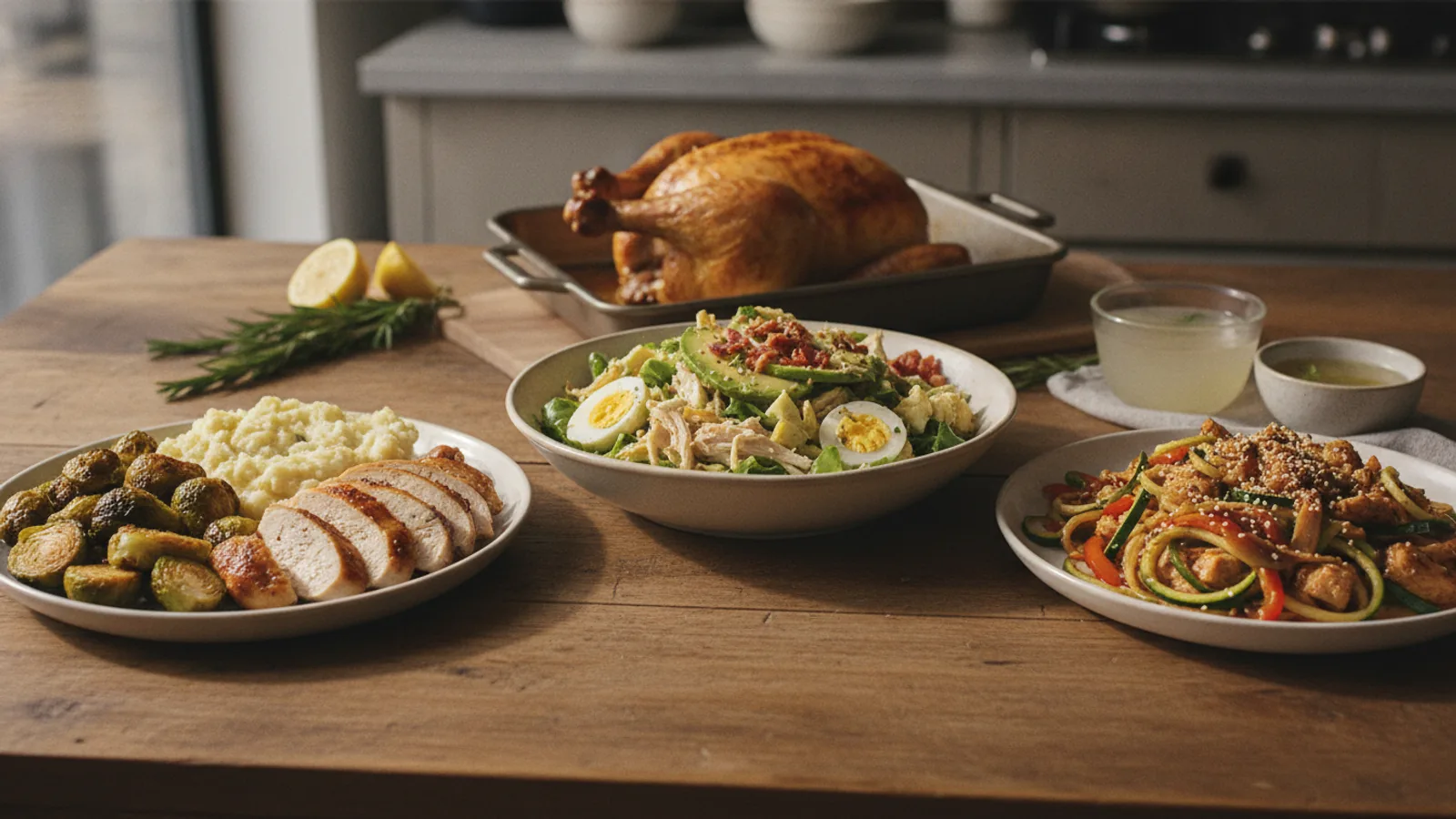
- Roast one chicken, then stretch it across three dinners by using the meat, skin, and bones in different dishes. Plan for a roast dinner, a pasta or grain bowl, and a soup or casserole.
- Cool leftovers quickly, refrigerate within two hours, and use the meat within three to four days. Freeze anything you will not eat by day three, and always reheat until steaming hot.
Before You Start
- Shop for one whole chicken, vegetables, aromatics, and pantry staples like pasta, rice, and broth. Check your refrigerator temperature and clear space for storage containers.
- Read your chicken packaging for thawing and cooking guidance. If frozen, thaw in the refrigerator overnight or according to the package directions, never on the counter.
- Set out a cutting board, a sharp knife, a large roasting pan, and three storage containers. Wash your hands, tools, and surfaces before and after handling raw poultry.
- Plan your three meals in advance: night one roast chicken with sides, night two a quick pasta or grain dish, night three a soup or casserole using the carcass and remaining meat.
Step-by-Step Instructions
Roast the chicken and portion it
Preheat your oven according to the package directions. Pat the chicken dry, place it in a roasting pan, and season inside and out with salt, pepper, and any herbs you like. Roast until the thickest part of the thigh reaches a safe internal temperature and the juices run clear. Let it rest for at least ten minutes before carving. This resting period allows the juices to redistribute, so the meat stays moist instead of running out onto the board. Carve the chicken: remove the legs, thighs, wings, and breast meat. Put the meat you will eat tonight on a platter. Put the remaining meat in one container and the carcass, skin, and bones in another. You now have the base for three dinners. A practical check is to confirm the temperature in two places, the thigh and the breast, because ovens heat unevenly and one spot can be done while another is not. If you do not have a thermometer, cut into the thickest part and make sure there is no pink and the juices are clear.
Serve night one as a classic roast dinner
For the first dinner, serve the carved chicken with simple sides. Roast potatoes, carrots, and onions in the same oven while the chicken rests, or boil them on the stovetop. Add a green vegetable like peas or broccoli. Warm a few tablespoons of the pan drippings or make a quick gravy with flour, broth, and seasonings. Plate the chicken with the vegetables and gravy. This meal should use about one third of the meat. A practical check is to set aside the meat for the next two dinners before you sit down to eat, so you are not tempted to finish it all. Portioning now saves you time later and helps you stick to the plan. If you have guests, count on one serving per person and keep the reserved meat out of reach. Store leftovers within two hours of cooking. Refrigerate the reserved meat and the carcass separately so they cool faster and are ready for the next meals.
Plan night two as a pasta or grain bowl
For the second dinner, use the reserved meat in a fast pasta or grain dish. Boil pasta, rice, or another grain according to the package directions. While it cooks, sauté onion, garlic, and any vegetables you have in a wide pan with a little oil or reserved chicken fat. Add the shredded chicken and stir until heated through. Drain the pasta or grain and toss everything together with a splash of broth, a spoonful of yogurt, or a simple sauce. Season to taste. This meal should use about half of the remaining meat. A practical check is to taste before serving and adjust salt, pepper, or acid, because chicken that has been refrigerated can taste flat. A squeeze of lemon or a splash of vinegar brightens the whole dish. If you are feeding a crowd, stretch the meal with extra vegetables or beans. Cool any leftovers quickly and refrigerate them within two hours. Label the container with the date so you know when to use it.
Simmer the carcass for stock
After night two, use the carcass, skin, and bones to make stock. Put them in a large pot and cover with cold water by an inch or two. Add an onion, a carrot, a celery stalk, a bay leaf, and a few peppercorns if you have them. Bring to a gentle simmer, then reduce the heat and cook uncovered for one to two hours. Skim off any foam that rises. The longer it simmers, the deeper the flavor, but do not boil hard or the stock can turn cloudy. A practical check is to taste the stock after an hour. If it tastes watery, keep simmering; if it tastes strong, add a little water. Strain the stock through a fine mesh strainer into a container. Cool it quickly by placing the container in a bowl of ice water, then refrigerate. The fat will rise and solidify on top; you can remove it or leave it for richness. Use the stock for night three or freeze it for later.
Build night three as a soup or casserole
For the third dinner, use the stock and any remaining chicken in a soup or casserole. Start by sautéing onion, carrot, and celery in a pot with a little oil. Add the stock and bring to a simmer. Add diced potatoes, noodles, rice, or beans and cook until tender. Stir in the shredded chicken and heat through. If you want a casserole, combine cooked pasta, chicken, vegetables, and a simple sauce in a baking dish, top with breadcrumbs, and bake until bubbling. This meal should use the last of the meat. A practical check is to taste the broth or sauce before serving. If it lacks depth, simmer a few more minutes; if it is too thick, add a splash of water or stock. Remember that the chicken is already cooked, so it only needs to be heated, not cooked again. Reheat leftovers until steaming hot, and refrigerate within two hours. If you have more than you can eat, freeze portions for another day.
Store, reheat, and avoid waste
Good storage keeps your three dinners safe and tasty. Cool leftovers quickly by spreading them in shallow containers. Refrigerate within two hours of cooking. Use cooked chicken within three to four days. If you will not eat it by then, freeze it in portion-sized containers. Label everything with the date. When reheating, bring sauces, soups, and casseroles to a rolling simmer and heat until steaming hot throughout. A practical check is to use a thermometer if you have one; leftovers should reach a safe internal temperature. If you do not have a thermometer, stir and heat until every part is steaming. Never reheat more than once. If something smells off or has been left out too long, throw it out. Plan your week so you eat the most perishable items first. The roast dinner uses night one, the pasta uses night two, and the soup uses night three, which matches the natural order of freshness.
Quick Reference
| Situation | Action | Why it helps |
|---|---|---|
| You have a whole raw chicken and need a plan for three dinners. | Roast the chicken, carve it, and divide the meat into three portions: one for tonight, one for a pasta or grain dish, and one for a soup or casserole. Simmer the carcass for stock. | Dividing the meat before you eat prevents you from using it all at once and gives you a clear plan for each night, which saves time and reduces waste. |
| You are not sure how long leftover chicken keeps in the refrigerator. | Refrigerate cooked chicken within two hours of cooking and use it within three to four days. If you cannot eat it by then, freeze it in labeled containers and reheat until steaming hot. | Bacteria grow quickly at room temperature, and keeping track of days helps you avoid foodborne illness while still using what you cooked. |
| Your second or third meal tastes dry or bland after reheating. | Add moisture and flavor: a splash of broth, a spoonful of yogurt, a squeeze of lemon, or a handful of fresh herbs. Stir gently and heat until steaming, then taste again before serving. | Reheating can dry out meat and dull flavors, so adding liquid and a bright note restores a fresh taste without extra cooking. |
Common Issues
- The chicken is dry after reheating.: Reheat gently with a little broth, sauce, or stock, and cover the dish to trap steam. Avoid high heat or long reheating times. If the meat is already dry, chop it finely and mix it into a soup, stew, or sauce where moisture can be absorbed.
- You do not have enough meat for three full meals.: Stretch each meal with vegetables, beans, grains, or pasta. Use the stock to add richness to soups and casseroles. Serving smaller portions of meat with larger portions of sides is a normal and healthy way to plan meals.
- The stock tastes weak or watery.: Simmer it longer uncovered to reduce and concentrate the flavor. You can also add more bones or vegetables, or continue simmering until the liquid has reduced by about a third. Taste as you go and stop when it tastes good.
Advanced Tips
- Use the chicken fat you skimmed from the stock or drippings to roast vegetables or sauté aromatics; it adds deep flavor and reduces waste.
- Freeze individual portions of shredded chicken in their cooking liquid or stock so they stay moist and can be thawed quickly for future meals.
- Make a double batch of stock and freeze it in different sized containers so you always have the right amount for soups, grains, or sauces.
Final Checklist
- Confirm the chicken is cooked to a safe internal temperature in the thickest part before serving or storing.
- Divide the meat into three portions and refrigerate within two hours of cooking; label with the date.
- Simmer the carcass with water and aromatics to make stock, then cool and refrigerate or freeze it.
- Reheat all leftovers until steaming hot, and discard anything that has been left out too long or smells off.
FAQ
Can I use the same chicken for three dinners if I only have a small bird?
Yes, but you may need to stretch each meal with more vegetables, grains, or beans. Use the meat as a flavoring rather than the main portion, and rely on the stock to add richness. A smaller chicken will give you less meat, so plan for smaller servings or supplement with other proteins.
How do I know the chicken is safe to eat after reheating?
Reheat leftovers until they are steaming hot all the way through. If you have a food thermometer, check that the thickest part reaches a safe internal temperature. Stir soups and casseroles while reheating to ensure even heating. Never reheat more than once, and throw out anything that has been left at room temperature for too long.
What can I do with the chicken skin and bones?
Simmer them with water, onions, carrots, and celery to make stock. Strain the stock and use it for soups, grains, or sauces. You can also roast the skin until crisp and use it as a topping for salads or casseroles. If you do not want to make stock right away, freeze the bones and skin until you have time.