Ginger Cabbage Stir Fry Without Sweet Sauce
A practical step-by-step guide to ginger cabbage stir fry without sweet sauce, including preparation, instructions, common issues, tips, and next steps.
Ginger Cabbage Stir Fry Without Sweet Sauce
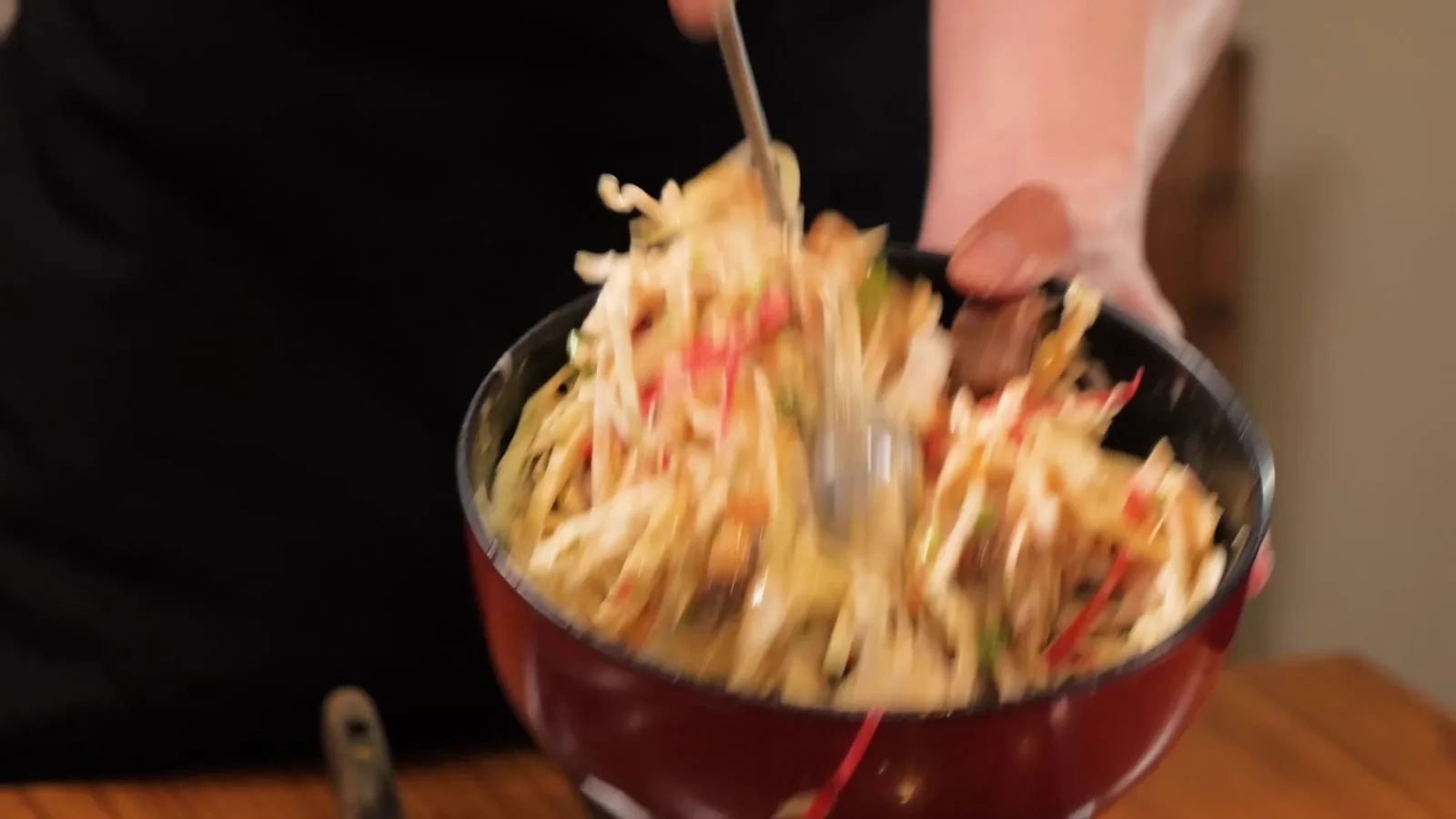
This guide teaches you how to make a crisp, savory ginger cabbage stir fry without using any sweet sauce, relying instead on aromatic ginger, garlic, and a balanced splash of soy sauce and vinegar to build deep flavor. You will learn how to prep the cabbage so it stays tender-crisp, control the heat of the pan, and adjust seasoning at the end for a dish that pairs well with rice or noodles.
Fast Answer
- Slice cabbage into thin ribbons, mince ginger and garlic, then stir-fry over high heat with oil, soy sauce, and a touch of vinegar—no sugar or sweet sauce needed.
- Keep the pan hot, add cabbage in batches if needed, and finish with a pinch of salt and a drizzle of toasted sesame oil for a savory, sugar-free result.
Before You Start
- Remove the outer leaves of a firm green or savoy cabbage, cut it into quarters, and slice out the hard core before shredding the rest into thin, even strips.
- Peel a thumb-sized piece of fresh ginger and mince it finely, then peel two cloves of garlic and slice them thin so they cook at the same pace.
- Measure two tablespoons of soy sauce, one tablespoon of rice vinegar, and a teaspoon of toasted sesame oil into a small bowl so you can add them quickly later.
- Have a large plate or bowl ready next to the stove for the finished stir fry, because cabbage continues to cook from residual heat if left in the pan.
Step-by-Step Instructions
Prepare and dry the cabbage
Cut the cabbage into quarters, remove the core, and slice it crosswise into strips about a quarter-inch wide. If the leaves are very wet, spread them on a clean kitchen towel and pat them dry. Moisture is the main enemy of a crisp stir fry, because wet cabbage steams instead of browning, and the pan cools down quickly. Dry cabbage will sear and keep a pleasant bite. Aim for a pile that looks like thin ribbons, not chunky pieces, so everything cooks in the same short time. If you have a salad spinner, give the shredded cabbage a few spins, then pat again with a towel. Set the cabbage aside in a bowl near the stove, along with your minced ginger and sliced garlic, so you can add them without pausing once the pan is hot.
Heat the pan and bloom the aromatics
Place a wide skillet or wok over medium-high heat and let it get hot for a full minute. Add two tablespoons of a neutral oil with a high smoke point, such as peanut or canola, and swirl it to coat the pan. When the oil shimmers but does not smoke, add the minced ginger and sliced garlic. Stir constantly for about thirty seconds. You want them fragrant and lightly golden, not brown, because burnt garlic turns bitter and will ruin the whole dish. This step is called blooming, and it releases the ginger’s sharp, warming oils into the oil, which then coats every piece of cabbage. If the aromatics start to darken too fast, pull the pan off the heat for a few seconds and lower the flame slightly before continuing.
Stir-fry the cabbage in batches
Add about half the shredded cabbage to the hot pan and toss it with a spatula or tongs for one minute. The cabbage should sizzle loudly and begin to wilt at the edges but still look bright. Push that first batch to the side of the pan, or transfer it to a plate, then add the second half and repeat. Cooking in batches keeps the pan temperature high, so the cabbage sears rather than steams. If you crowd the pan, the cabbage releases water, turns soft, and loses its fresh texture. After both batches have had a minute each, return all the cabbage to the pan and toss everything together. You are looking for leaves that are slightly softened but still have a little snap when you bite one. This check tells you the cabbage is ready for seasoning.
Season with soy sauce and vinegar
Push the cabbage to one side of the pan and pour the measured soy sauce and rice vinegar into the empty space. Let the liquids bubble for a few seconds, then toss the cabbage through them until every strip is coated. The vinegar lifts the savory notes and cuts through the oil, while the soy sauce adds salt and depth without any sweetness. Do not add sugar, honey, or a sweet bottled sauce. If you want a little extra savoriness, add a teaspoon of fermented bean paste or a splash of mushroom seasoning, but taste first. Stir for about thirty seconds, just until the liquid mostly evaporates and glazes the cabbage. If the pan looks dry, add a tablespoon of water to create a quick steam, but only at the end, so the cabbage stays crisp.
Finish with sesame oil and a taste test
Turn off the heat and drizzle the toasted sesame oil over the cabbage. Toss once more to distribute it. Now taste a piece of cabbage and a bit of ginger together. Ask yourself if it needs more salt, more acidity, or a pinch of white pepper. If it tastes flat, add a few more drops of soy sauce; if it tastes heavy, add a few drops of vinegar. This final adjustment is important because cabbage varies in moisture and density, so the same measurements can taste different from one head to another. When the balance feels right, slide the stir fry onto a serving plate. Leaving it in the hot pan will keep cooking it and turn the cabbage soft. Serve immediately while the texture is at its best.
Serve and store leftovers properly
Transfer the stir fry to a warm serving bowl and pair it with steamed rice, noodles, or a simple protein. For the best texture, eat it within twenty minutes of cooking. If you have leftovers, cool them quickly by spreading them on a tray, then move them to a shallow container and refrigerate. Reheat in a hot pan for a minute or two, not in a microwave, because reheating gently can make the cabbage watery. When you reheat, add a splash of soy sauce or vinegar to wake up the flavors. This dish is best on the day it is made, but it will keep for a couple of days if stored cold. Always check that the leftovers were cooled within two hours of cooking, and reheat until steaming hot throughout.
Quick Reference
| Situation | Action | Why it helps |
|---|---|---|
| The cabbage is releasing water and turning soft in the pan. | Increase the heat to high, spread the cabbage in a single layer, and let it cook undisturbed for thirty seconds before tossing again; if the pan is crowded, remove half the cabbage to a plate and cook in two batches. | A hot, uncrowded pan evaporates moisture quickly and sears the leaves, while a cool or crowded pan traps steam and makes the cabbage limp instead of crisp. |
| The ginger and garlic are turning dark brown before the cabbage is added. | Slide the pan off the heat immediately, transfer the aromatics to a small bowl, wipe the pan, and start again with fresh oil over slightly lower heat; add the cabbage before the aromatics have a chance to brown. | Burnt garlic and ginger taste bitter and will spread that bitterness through the whole dish, so it is better to restart than to continue with overcooked aromatics. |
| The finished stir fry tastes flat or one-dimensional. | Add a few drops of rice vinegar and a small pinch of salt, toss well, and taste again; if it still lacks depth, add a teaspoon of soy sauce and a tiny drizzle of toasted sesame oil, then toss and taste once more. | Salt enhances the natural flavor of cabbage, while acid from vinegar brightens the dish and balances the oil, and sesame oil adds a nutty aroma that makes the finish feel complete. |
Common Issues
- The cabbage turns out soggy instead of crisp.: Dry the shredded cabbage thoroughly with a towel before cooking, use high heat, and cook in batches so the pan stays hot; avoid adding water or covering the pan, and serve immediately after cooking rather than letting it sit.
- The ginger and garlic burn and taste bitter.: Mince the ginger and slice the garlic into similar small pieces so they cook evenly, add them to shimmering but not smoking oil, and stir constantly for only thirty seconds before adding the cabbage; if they start to darken, lower the heat at once.
- The dish lacks flavor without a sweet sauce.: Build savoriness with soy sauce, a splash of rice vinegar, and a drizzle of toasted sesame oil at the end; add a pinch of salt and white pepper, and taste a piece of cabbage with a bit of ginger before serving so you can adjust the balance.
Advanced Tips
- Toast a teaspoon of sesame seeds in the dry pan before adding oil, then set them aside and sprinkle them over the finished dish for a light crunch.
- Add a small piece of smashed lemongrass or a few slices of fresh turmeric with the ginger for a warm, aromatic variation that stays sugar-free.
- For a deeper savory note, stir in a teaspoon of fermented black beans or a little miso paste after the cabbage has wilted, then toss and taste before serving.
Final Checklist
- Cabbage is shredded into thin, even strips and patted dry before it goes into the pan.
- Ginger and garlic are minced and sliced, and the soy sauce, vinegar, and sesame oil are measured and within reach.
- The pan is hot, the oil shimmers, and the cabbage is cooked in batches to keep it crisp.
- The finished dish is tasted and adjusted for salt and acid, then served immediately to preserve texture.
FAQ
Can I make this ahead of time?
You can prep the cabbage, ginger, and garlic a day ahead and store them in separate containers in the refrigerator. Cook the stir fry just before serving, because reheating tends to soften the cabbage. If you must cook ahead, cool it quickly, refrigerate, and reheat in a hot pan for a short time, adding a splash of soy sauce or vinegar to refresh the flavor.
What can I use instead of soy sauce?
If you avoid soy, try coconut aminos or a small amount of tamari, though tamari is still soy-based. For a soy-free option, use a pinch of salt mixed with a little water and a splash of vinegar. Taste after adding, because these alternatives have different salt levels, and adjust slowly so the dish does not become too salty.
How do I keep the cabbage from getting watery?
Dry the shredded cabbage well with a clean towel, heat the pan until the oil shimmers, and cook the cabbage in two batches so it sears instead of steaming. Do not cover the pan or add water during cooking. If liquid pools at the bottom, raise the heat and spread the cabbage out in a single layer for a short time to evaporate it.