Ground Flaxseed As A Baking Binder
A practical step-by-step guide to ground flaxseed as a baking binder, including preparation, instructions, common issues, tips, and next steps.

Ground Flaxseed As A Baking Binder
Ground flaxseed is a versatile plant-based binder that can replace eggs in many baked goods. When mixed with water, the seed's soluble fiber forms a gel that traps moisture, adds structure, and helps batters hold together without animal products. This guide explains how to prepare, adjust, and troubleshoot a flax binder so your cookies, muffins, pancakes, and quick breads bake reliably and taste good. It also covers storage, ratios, and the small changes that keep texture from becoming gummy or heavy.
Fast Answer
- Mix one tablespoon of ground flaxseed with three tablespoons of water, rest for five minutes, then use it in place of one egg.
- For best results, grind whole seeds fresh, store the meal airtight in a cool dark place, and use it within a few months.
Before You Start
- Measure whole flaxseed or buy pre-ground meal, and keep a small clean bowl and a fork or whisk ready for mixing.
- Check that your recipe needs only one to three binders, because flax works best in cookies, muffins, pancakes, waffles, and quick breads.
- Have a timer or clock nearby so the gel rests for at least five minutes before you add it to the batter.
- Read the recipe's liquid and leavening amounts first, then note where you may need a little extra liquid or a slightly longer bake.
Step-by-Step Instructions
Choose and measure the flaxseed
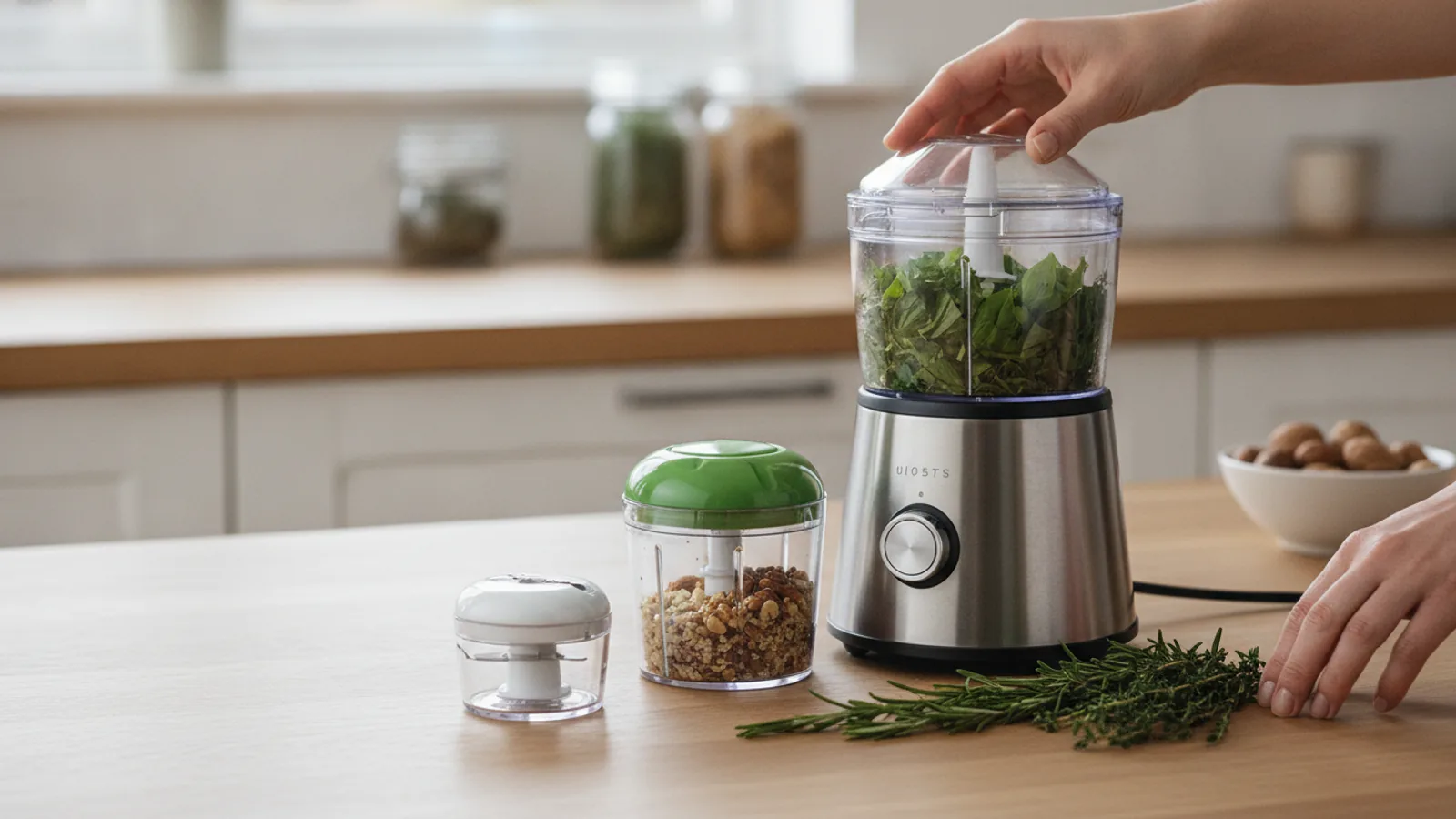
Start by deciding whether to use whole seeds or pre-ground meal. Whole seeds stay fresh longer, but they must be ground before they can gel, so if you buy whole seeds, grind a small batch in a clean spice grinder or blender until the texture looks like coarse sand. Measure one tablespoon of meal per egg you are replacing, and level the spoon rather than packing it, because a heaped spoon makes the gel too thick and can leave a gummy streak in the crumb. Set the measured meal in a small bowl and check that no whole seeds remain, since they will not absorb water and will stay gritty in the final bake. This check matters because the binder only works when the seed particles are small enough to release their soluble fiber into the water.
Add water and whisk into a gel
Add three tablespoons of water for every one tablespoon of ground flaxseed, then stir with a fork or small whisk until no dry pockets remain. The mixture should look loose at first, and that is normal, because the fiber needs time to hydrate. Keep stirring for about thirty seconds, scraping the sides of the bowl, so every particle meets the water. If you see dry clumps after a minute, add a few drops more water and stir again, but do not flood the bowl, because extra water weakens the gel and thins your batter. This step sets the binder's final texture, so a smooth, even mix now prevents lumps later in the dough. The goal is a slurry that coats the spoon, not a paste that stands in stiff peaks.
Rest the mixture until it thickens
Let the bowl sit undisturbed for at least five minutes, and up to ten minutes if your kitchen is cool. During this rest, the soluble fiber absorbs water and swells, turning the thin slurry into a thick, slightly glossy gel. You will know it is ready when it clings to the spoon, drops slowly, and no free water pools at the edges. If the mixture still looks watery after ten minutes, stir in another half teaspoon of ground flax and wait two more minutes, because under-hydrated binder will not hold the batter together. Skipping or shortening the rest is the most common reason flax baking turns out crumbly, so treat this pause as a required ingredient step rather than an optional wait. A finished gel should feel slippery and slightly sticky between your fingers.
Add the gel to the wet ingredients
Pour the rested gel into the bowl with the wet ingredients, such as oil, milk, yogurt, or mashed fruit, and whisk it in before you add the dry flour mixture. Combining the binder with the liquids first spreads it evenly and prevents pockets of gel that bake into rubbery spots. Whisk for about twenty seconds, until the mixture looks uniform and slightly thickened, then fold in the dry ingredients as the recipe directs. If the batter seems stiff after mixing, add liquid one tablespoon at a time rather than dumping in a large amount, because flax continues to absorb moisture as it sits. This order matters because the binder needs contact with liquid to stay active, and coating it in flour too early can lock in dry clumps that never fully hydrate.
Adjust liquid, leavening, and rest time
Flax gel adds moisture, so many recipes need a small adjustment to keep the crumb from turning wet. After the batter comes together, check its consistency against what the recipe describes. If it looks thicker than expected, add liquid one tablespoon at a time. If it looks looser than expected, let it stand five minutes, because the flax will thicken it further. You may also need a little extra leavening, such as baking powder, to help the bake rise since the binder does not trap air the way eggs do. Add no more than a quarter teaspoon extra per cup of flour, and mix it into the dry ingredients so it distributes evenly. Resting the shaped dough or batter for ten minutes before baking gives the flax more time to hydrate and often improves the final crumb.
Bake, check, and cool properly
Bake at the temperature your recipe lists, but start checking for doneness a few minutes earlier than the stated time, since flax baked goods can brown quickly on the outside while staying moist inside. Use the test your recipe recommends, such as a wooden pick inserted in the center that comes out with a few moist crumbs rather than wet batter. If the top browns too fast, tent it loosely with foil and continue baking. When the bake is done, let it cool in the pan for the time the recipe suggests, then move it to a rack. Cooling matters because flax gels set as they cool, so slicing too soon can make the center look underbaked even when it is fully cooked. A fully cooled loaf or muffin holds together better and slices cleanly.
Quick Reference
| Situation | Action | Why it helps |
|---|---|---|
| You are replacing one egg in cookies or muffins. | Whisk one tablespoon of ground flaxseed with three tablespoons of water, rest five to ten minutes, and mix the gel into the wet ingredients before adding flour. | One egg equals one standard flax gel, and adding it to the wet side first spreads the binder evenly so the crumb stays tender instead of rubbery. |
| Your batter looks too thin after adding the gel. | Let the batter stand for five minutes and stir once, then add one tablespoon of ground flaxseed only if it still looks watery. | The fiber keeps absorbing water as it rests, so a short pause often thickens the batter without changing the recipe's balance. |
| A baked good tastes heavy or gummy the next day. | Reduce the flax gel to half a tablespoon per egg, add a quarter teaspoon more baking powder, and store the bake covered at room temperature. | Too much binder and trapped moisture cause a dense crumb, while a little extra leavening and proper storage help the texture stay light. |
Common Issues
- The baked good falls apart or crumbles when sliced.: Check that your gel rested long enough and that you used level tablespoons of ground flax. If the crumb still breaks, add one extra tablespoon of gel per recipe and let the baked item cool completely before cutting, because warm flax structures are still soft.
- The center stays wet even after the outside browns.: Lower the oven temperature slightly, extend the bake time, and tent the top with foil once it is golden. Flax holds more water than eggs, so a slower, longer bake lets the middle set without burning the crust.
- The flavor tastes bitter or stale.: Replace your ground flaxseed with a fresh batch, store meal in an airtight container away from heat and light, and keep whole seeds for longer storage. Old or overheated meal turns rancid, which carries a sharp taste into the bake.
Advanced Tips
- Toast ground flaxseed in a dry pan for two to three minutes before mixing, then cool it completely, to add a nutty note that suits banana, carrot, and spice recipes.
- Combine flax gel with a spoon of applesauce or mashed banana in recipes that need extra binding, which improves structure without making the crumb heavy.
- For yeast doughs, use flax gel as a small part of the liquid and knead a little longer, because the added fiber benefits from extra gluten development.
Final Checklist
- Measure one tablespoon of ground flaxseed and three tablespoons of water for each egg you are replacing.
- Whisk the mixture smooth and let it rest five to ten minutes until it thickens into a gel.
- Mix the gel into the wet ingredients before folding in the flour, then adjust liquid if the batter looks stiff.
- Bake a few minutes earlier than the recipe states, test the center, and cool completely before slicing.
FAQ
Can I use whole flaxseed instead of ground?
Whole seeds will not form a gel because their hard outer coat keeps water away from the soluble fiber inside. If you only have whole seeds, grind them in a clean spice grinder or blender until the texture looks like coarse sand, then measure and mix with water as usual. Grinding fresh also gives a better flavor than meal that has sat on a shelf for a long time.
How long does flax gel last in the refrigerator?
A covered bowl of flax gel keeps for about three days in the refrigerator. Stir it before each use, because it separates slightly as it sits. If it smells sharp, looks moldy, or has a slimy film on top, discard it and make a fresh batch. For longer storage, keep ground flaxseed itself in an airtight container in a cool, dark place or in the freezer.
Will flax change the taste of my baked goods?
Flax has a mild, slightly nutty, earthy flavor that fades into the background in most recipes. It shows up more in plain cakes and light cookies than in spiced, chocolate, or fruit-filled bakes. Freshly ground seed tastes milder than old meal, so buy or grind small amounts and store them well. If you notice a strong taste, reduce the binder to half a tablespoon per egg and add a little more liquid.